Free Shipping Ireland & UK | Now Shipping Worldwide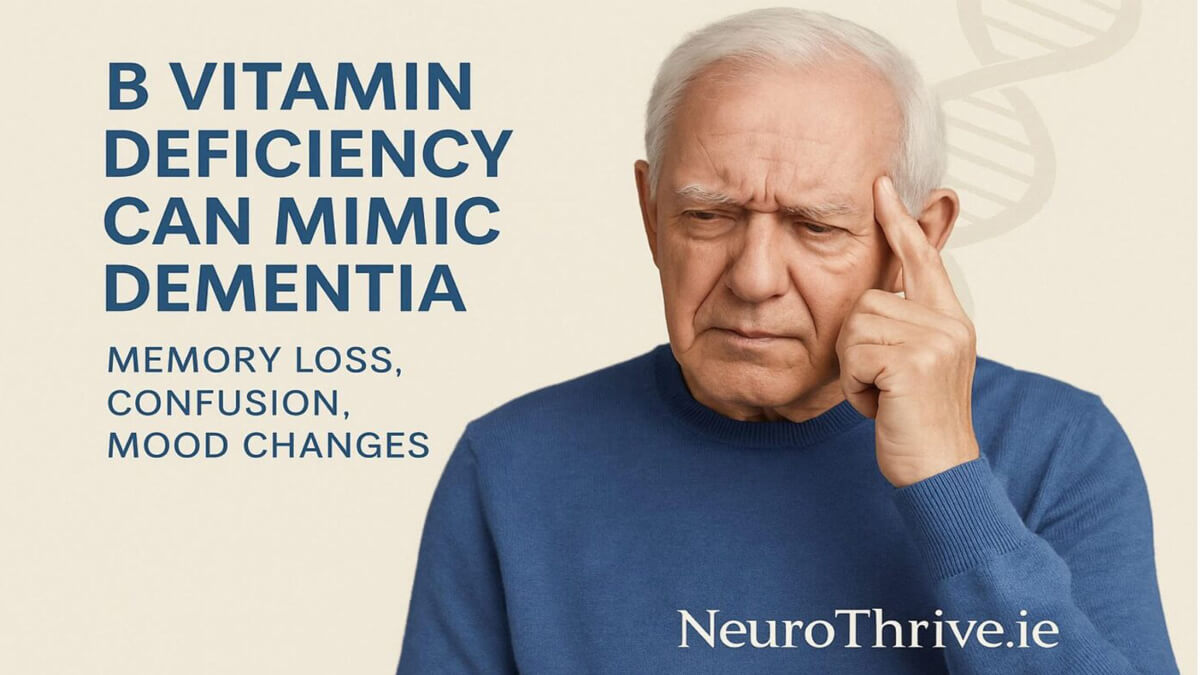
B Vitamin Deficiency and Dementia
https://bioscribed.com/B Vitamin Deficiency and Dementia”. Cognitive decline doesn’t always mean doom. In fact, for many families, the symptoms we associate with dementia may actually be rooted in something surprisingly fixable, B-vitamin deficiency. Backed by studies like the landmark VITACOG trial, this article lays out why getting your levels checked might just be one of the most powerful brain-saving moves you could make.
Cognitive decline and dementia, including ‘B Vitamin Deficiency and Dementia’, are among the most pressing health challenges of our time. While age, genetics, and lifestyle all play a role, nutritional deficiencies particularly in B vitamins are increasingly recognized as modifiable risk factors.
The Role of B Vitamins in Brain Health
The B-vitamin family (notably B6, folate, and B12) plays a vital role in brain function. These nutrients support:
• Methylation Processes essential for DNA repair and Neurotransmitter Production.
• Homocysteine Regulation – Elevated homocysteine levels are strongly linked to Brain Atrophy and Cognitive Decline.
• Myelin Formation – The protective sheath around nerve fibres.
When levels of these vitamins fall too low, the nervous system and cognitive function can be affected in ways that resemble dementia.
Vitamin B12 Deficiency and Cognitive Impairment
Vitamin B12 deficiency is common, especially in older adults due to reduced absorption. Symptoms include memory loss, confusion, depression, and even psychosis. Studies have shown that low B12 is associated with an increased risk of Alzheimer’s disease and other dementias (Smith & Refsum, 2016).
In some cases, correcting a deficiency has led to significant improvement in memory and mental clarity, highlighting the importance of proper diagnosis.
Folate, Vitamin B6, and Homocysteine
Folate (B9) and Vitamin B6 work alongside B12 to keep homocysteine levels in check. Elevated homocysteine is a recognised risk factor for dementia and stroke.
A landmark clinical trial – the VITACOG study found that supplementation with B6, folate, and B12 in people with mild cognitive impairment slowed brain atrophy and improved cognitive outcomes, especially in participants with high homocysteine levels (Smith et al., 2010).
Misdiagnosis: Dementia vs. Deficiency
Because B-vitamin deficiency can mimic the symptoms of dementia, some individuals may be misdiagnosed. Fortunately, this type of cognitive decline may be at least partly reversible when addressed early. For this reason, routine screening for B-vitamin status in older adults and those with cognitive symptoms is recommended by many researchers.
Conclusion
While B-vitamin deficiency is not the sole cause of dementia, it is a powerful and modifiable factor. Ensuring adequate intake of B6, folate, and B12 may help protect the brain, reduce homocysteine, and in some cases, restore lost function.
Checking vitamin status should always be part of a dementia work-up a simple blood test could make the difference between irreversible decline and a treatable condition.

References
• O’Leary, F., & Samman, S. (2010). Vitamin B12 in health and disease. Nutrients, 2(3), 299–316.
• Malouf, R., & Evans, J. G. (2008). Folic acid with or without vitamin B12 for cognition and dementia. Cochrane Database of Systematic Reviews, (4).
#MethylationMatters #CognitiveDecline #B12Deficiency #FolateFix #MTHFR #AlzheimersAwareness #BrainHealth #NeuroHealing #Homocysteine #FixableDementia #BioScribedScience #NeuroThriveSupport #FunctionalMedicine #MemoryLossReversal
Methylation Matters Cognitive Decline B12 Deficiency FolateFix MTHFR Alzheimers Awareness Brain Health NeuroHealing Homocysteine Fixable Dementia BioScribed Science NeuroThrive Support FunctionalMedicine Memory Loss Reversal

Ready to Activate Your Genetic Advantage?
Discover how clinical-grade B-vitamins can support your brain, heart and methylation health backed by real science and inspired by real recovery.
Shop Now – Limited Offer »
MTHFR & Thyroid Function: The…
MTHFR & Psychiatric Disorders: What…
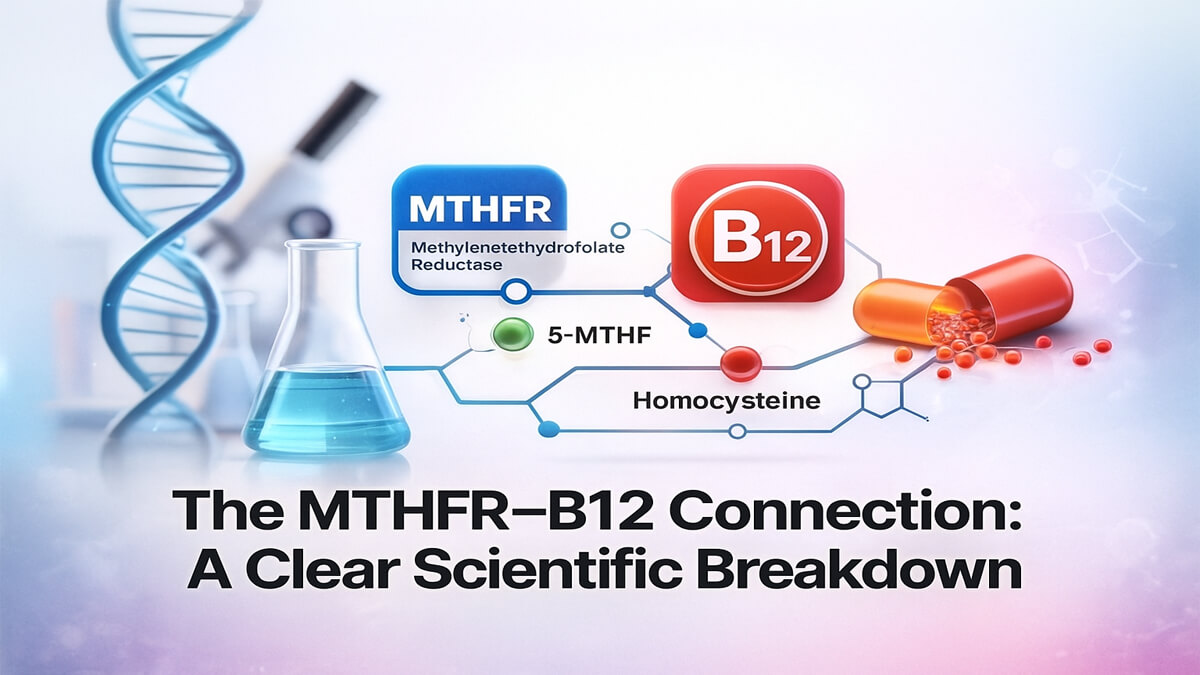
The MTHFR–B12 Connection: A Clear…

Methylfolate vs Folic Acid: The…
The Overlooked Link Between Homocysteine…

Cardiac Health Stroke & Homocysteine:…

Epilepsy, Methylation & B-Vitamins: What…
New Studies Reveal the Link…

When a Lifelong Vegan Is…